

Description
Nike Shoes Pallet: Wholesale Footwear Inventory for Resellers
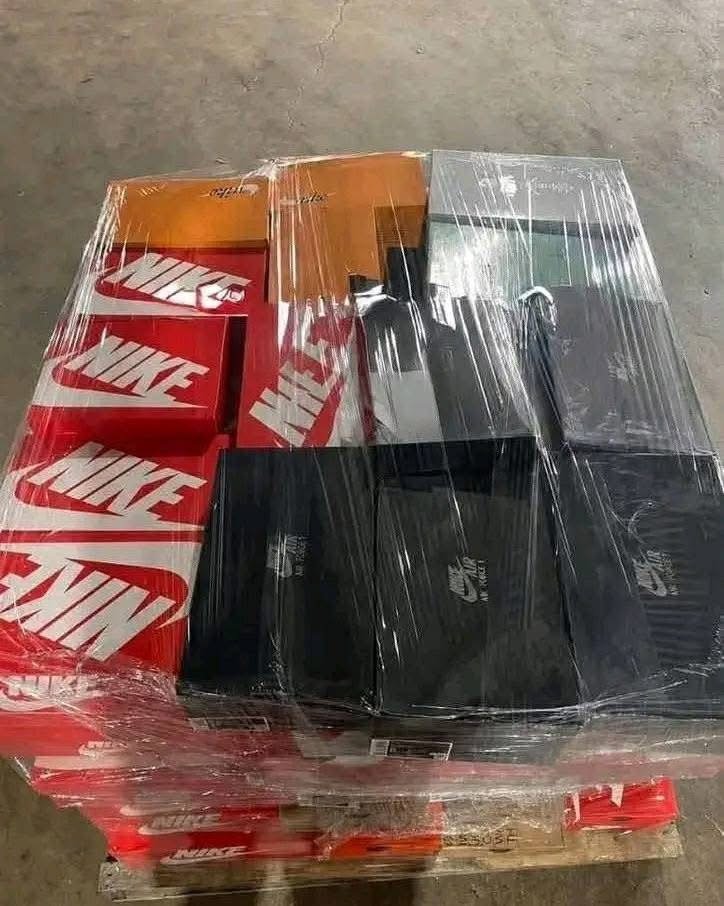
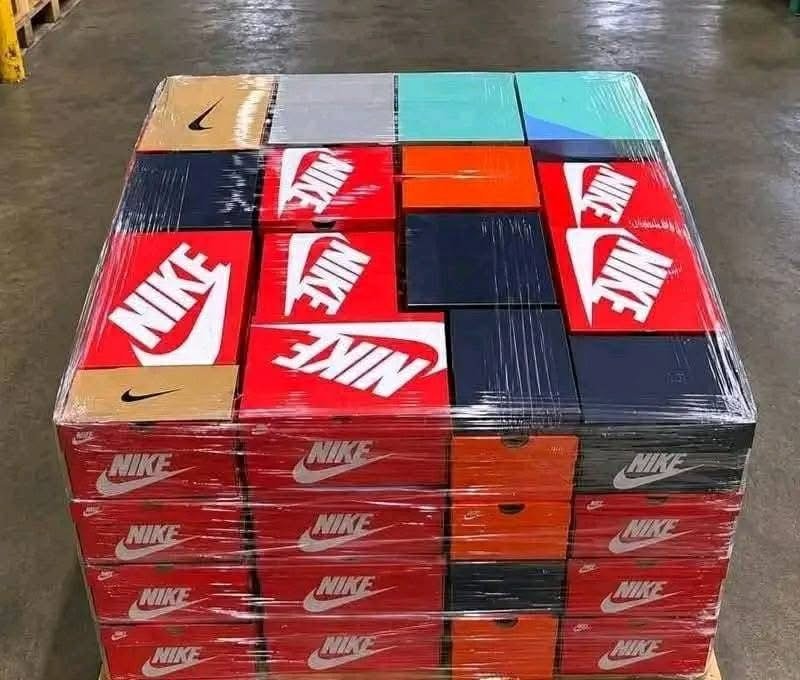
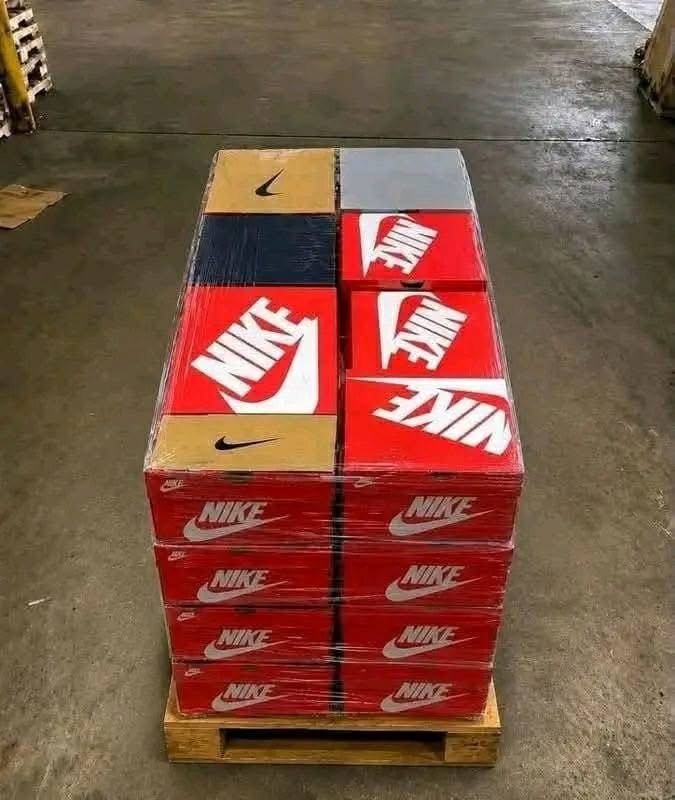
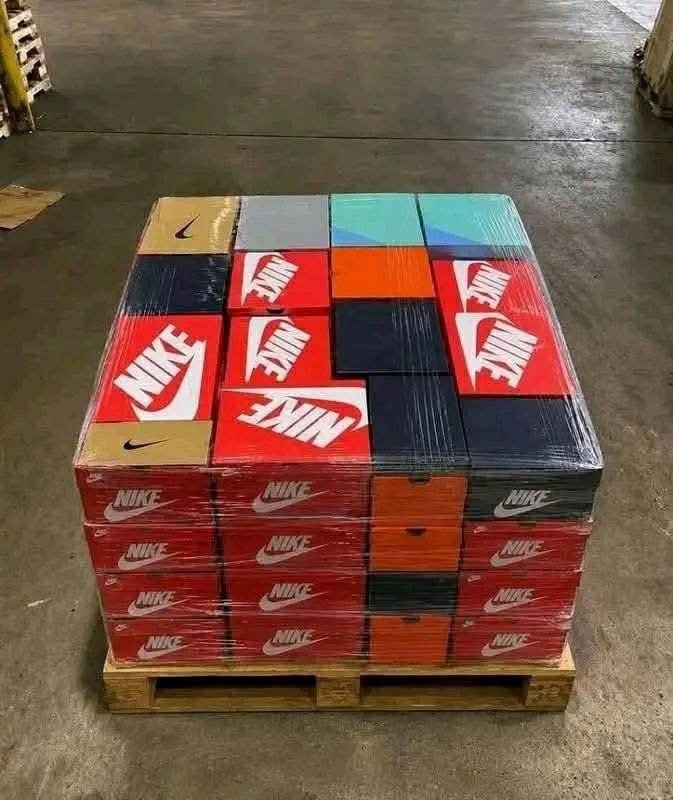
A Nike Shoes Pallet can give resellers access to bulk footwear inventory with strong customer appeal and flexible resale opportunities. For boutique owners, discount stores, online sellers, flea market vendors, and liquidation businesses, buying shoes in pallet quantities can simplify inventory sourcing while creating opportunities to build profitable product selections. Moreover, a well-selected pallet can provide a practical way to expand your footwear category without purchasing every pair individually.
Why Choose a Nike Shoes Pallet?
Nike is widely recognized in the athletic footwear market, making Nike shoes attractive to many different customer groups. Therefore, a Nike Shoes Pallet can work well for businesses that want recognizable footwear within their inventory.
Depending on the supplier and available liquidation stock, pallets may include different shoe sizes, styles, colors, and models. For example, inventory can include athletic shoes, casual sneakers, running footwear, training shoes, and other footwear categories. As a result, buyers can potentially create a varied selection for different customer preferences.
Additionally, purchasing in bulk may help businesses streamline sourcing. Instead of ordering individual products from multiple sellers, a pallet provides a consolidated inventory option.
What Can You Find on a Nike Shoes Pallet?
The exact contents of each pallet can vary considerably. Some loads may contain overstock, shelf pulls, customer returns, closeout merchandise, or mixed-condition inventory. Consequently, buyers should review the product description and condition information before placing an order.
A Nike Shoes Pallet may contain different sizes and designs, which can be useful for resellers targeting a broad customer base. However, the size distribution should always be considered because certain sizes may sell faster than others.
Furthermore, packaging can differ depending on the source. Some footwear may arrive with original boxes, while other pairs may have damaged packaging or no retail box. Understanding these details helps buyers plan pricing, presentation, and storage more effectively.
How to Evaluate Nike Shoes Pallet Pricing
Price is an important consideration when purchasing wholesale footwear. However, the lowest upfront price does not always represent the best buying opportunity. Instead, evaluate the potential value of the entire pallet.
First, consider the number of pairs included. Next, review the stated condition and product mix. Then, consider estimated retail value, shipping expenses, handling costs, and your expected resale prices.
For instance, a pallet with a higher purchase price could still make sense if it contains a stronger product mix and more desirable inventory. On the other hand, a cheaper pallet may require additional inspection, cleaning, or preparation before resale.
Therefore, calculate your estimated cost per pair before committing to a purchase.
Shipping and Storage Considerations
Bulk footwear requires proper logistics planning. A pallet can take up considerable warehouse space, particularly when shoes arrive in retail packaging. Consequently, businesses should prepare suitable storage before delivery.
Shipping costs should also be included in your overall purchasing budget. Depending on the supplier, location, pallet dimensions, and delivery method, freight expenses can affect your final cost per pair.
Moreover, keeping inventory organized can make resale easier. Separate footwear by size, style, condition, and product category so customers can find suitable options quickly.
Reselling Nike Shoes for Better Inventory Turnover
A Nike Shoes Pallet can support several resale channels. Retail stores can display individual pairs, while online sellers can list products through appropriate marketplaces and their own websites. Similarly, flea market vendors and discount retailers can use competitive pricing to attract customers looking for recognizable footwear at lower prices.
Product presentation matters as well. Clean, organized shoes with accurate descriptions can create a stronger buying experience. Additionally, clear photographs and transparent condition information can help reduce customer uncertainty.
Before listing products, inspect each pair carefully. Check sizes, visible wear, packaging, accessories, and overall condition. This process helps you set realistic prices and communicate product details accurately.
Build a Smarter Wholesale Footwear Strategy
Ultimately, buying liquidation footwear should be based on inventory quality, pricing, condition, shipping, and resale demand. A Nike Shoes Pallet can offer an efficient sourcing option for businesses that understand these factors and plan their purchases carefully.
Whether you operate a boutique, online store, discount outlet, or resale business, bulk footwear can help diversify your inventory. Most importantly, choose pallet inventory that matches your target customers, available storage, and expected sales channels.
Reviews
There are no reviews yet.