

Description
Baby Clothes Pallet: Wholesale Baby Clothing for Resellers
A Baby Clothes Pallet offers an efficient way for retailers, resellers, boutique owners, and discount stores to source baby clothing in bulk. Instead of purchasing individual garments at retail or wholesale prices, businesses can acquire larger quantities of inventory through a single pallet. As a result, bulk sourcing can simplify purchasing while helping businesses build a broader baby clothing selection.
Baby apparel also has consistent demand because families regularly need clothing as children grow. Therefore, a well-planned Baby Clothes Pallet can provide valuable inventory for businesses serving parents, caregivers, and families looking for affordable clothing options.
Why Buy a Baby Clothes Pallet?
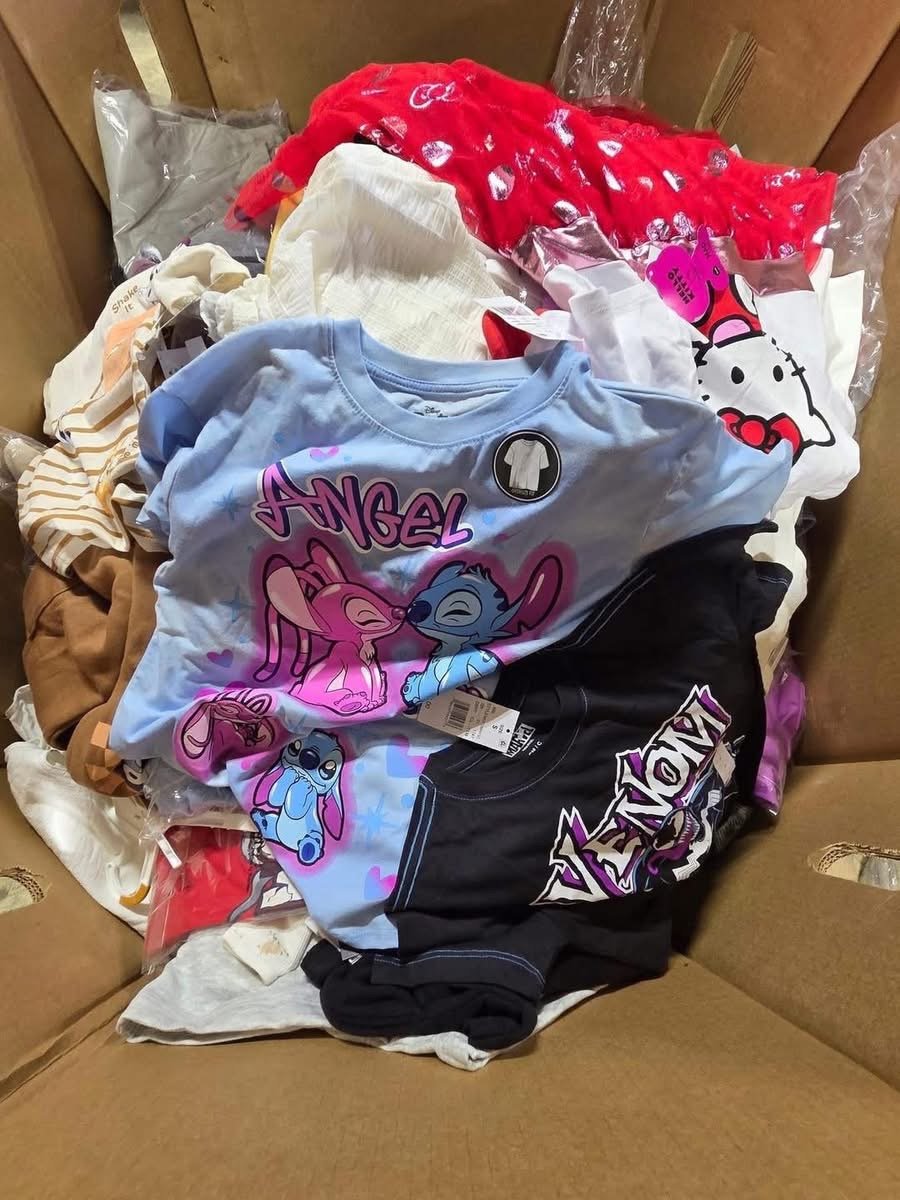
Buying baby clothes in pallet quantities can provide several advantages for resale businesses. First, bulk purchasing allows sellers to access multiple garments through one inventory purchase. Additionally, mixed pallets may include different sizes, styles, colors, and clothing categories.
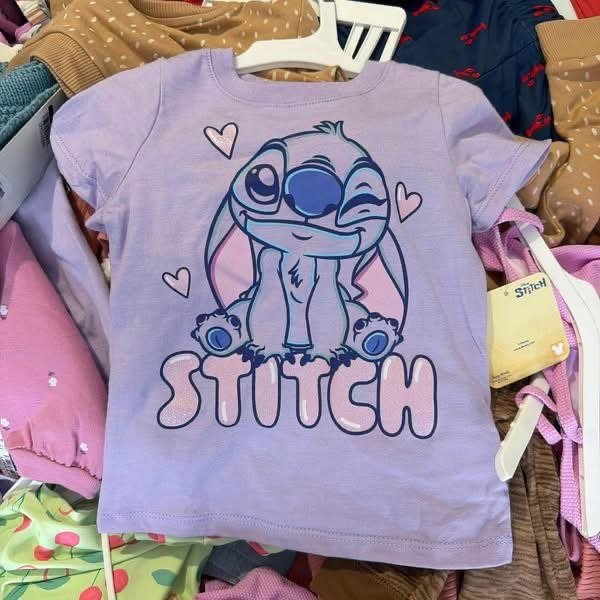
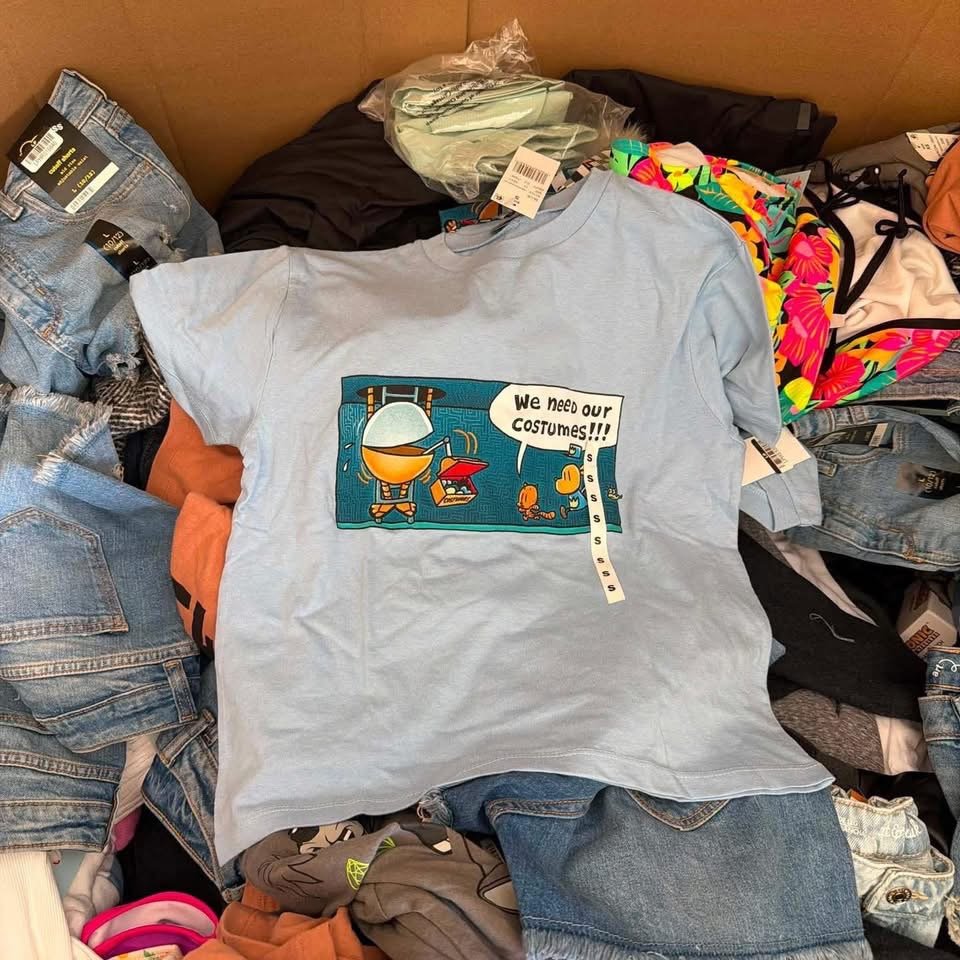
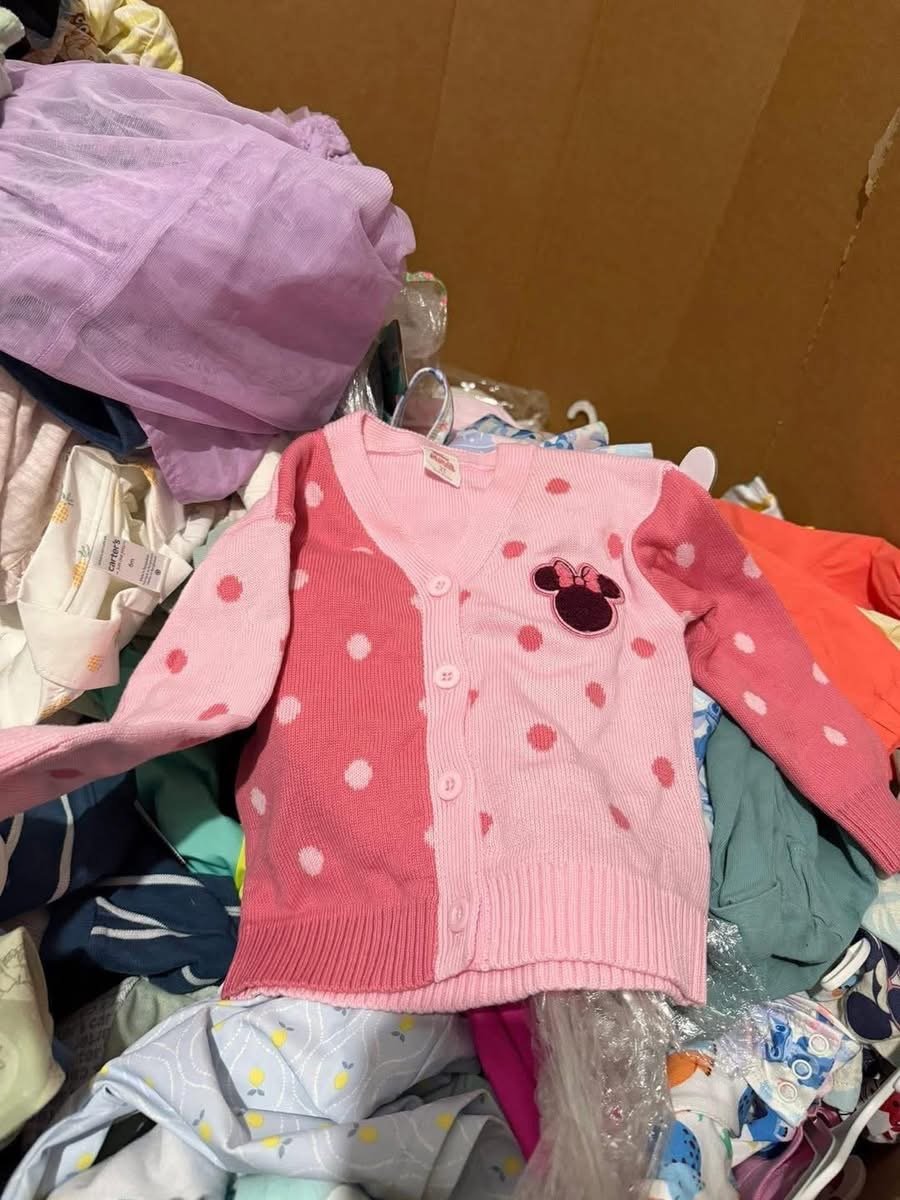
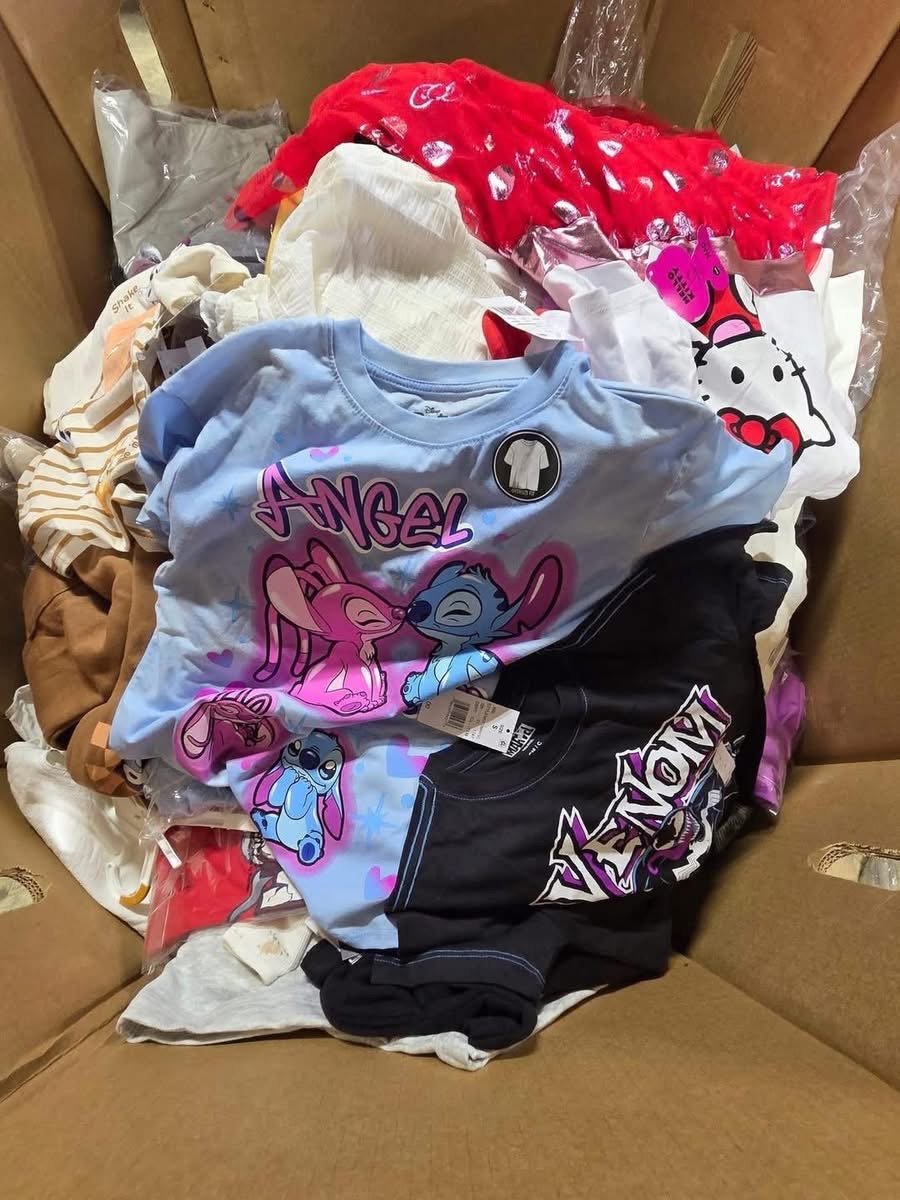
For example, a pallet may contain bodysuits, onesies, shirts, pants, dresses, sleepwear, jackets, and other baby apparel. Consequently, sellers can create a more diverse product selection instead of relying on a single clothing style.
Moreover, baby clothing works well across multiple sales channels. Retail stores can display individual garments, while online sellers can create product listings for specific sizes or categories. Likewise, flea market vendors and discount retailers can use attractive pricing to appeal to budget-conscious shoppers.
What Can Be Included in a Baby Clothes Pallet?
The exact contents of a Baby Clothes Pallet depend on the supplier, available inventory, and pallet type. Some loads may contain overstock, closeout merchandise, shelf pulls, customer returns, or mixed-condition products.
Therefore, buyers should carefully review the inventory description before purchasing. Pay particular attention to size distribution, product categories, condition, packaging, and estimated item counts.
A mixed pallet may include newborn clothing as well as garments designed for older babies and toddlers. Furthermore, seasonal items can sometimes influence the overall product mix. Understanding these factors allows businesses to choose inventory that matches their customers and sales strategy.
Understanding Baby Clothing Pallet Conditions
Condition plays an important role when evaluating liquidation clothing. Some garments may be new and unused, while others may show signs of handling or previous retail exposure. Consequently, buyers should confirm how the supplier defines each condition category.
Inspecting inventory after delivery can also improve resale preparation. Check garments for stains, tears, missing buttons, damaged packaging, or other visible issues. Then, separate products according to condition and size.
As a result, sellers can price their inventory more accurately and provide customers with clear product information.
How to Evaluate Baby Clothes Pallet Pricing
The purchase price is only one part of the total cost. Instead, businesses should calculate the expected cost per item after including shipping, handling, storage, and preparation expenses.
For instance, a pallet with a higher upfront price could provide stronger value if it contains more desirable garments or a larger number of usable pieces. On the other hand, a lower-priced pallet may require additional sorting or preparation.
Therefore, compare the estimated number of sellable items with your expected resale prices before making a purchasing decision. This approach can help you identify opportunities that align with your business goals.
Shipping and Storage Considerations
Baby clothing does not require complicated storage, but organization remains important. Since pallet quantities can contain hundreds of individual garments, businesses should prepare adequate space before delivery.
Furthermore, sort clothing by size, type, season, and condition as soon as possible. This makes inventory easier to manage and allows you to create product bundles or individual listings more efficiently.
Shipping costs should also be included in your budget. Depending on pallet dimensions, weight, destination, and freight arrangements, transportation can significantly affect the final cost of your inventory.
Reselling Baby Clothes for Business Growth
A Baby Clothes Pallet can support several resale strategies. Online sellers can list individual garments or create clothing bundles, while physical retailers can organize displays by size and age group. Meanwhile, discount stores and flea market vendors can attract customers with affordable multi-item packages.
Additionally, clear product descriptions and quality photographs can improve the customer shopping experience. Accurate sizing and condition information can also help build buyer confidence.
Build a Stronger Baby Clothing Inventory
Ultimately, successful pallet sourcing depends on product selection, condition, pricing, logistics, and customer demand. A Baby Clothes Pallet can help businesses expand their apparel inventory while creating opportunities to serve customers seeking practical and affordable baby clothing.
Whether you operate an online store, boutique, discount outlet, or resale business, bulk baby apparel can provide a flexible addition to your inventory strategy. Most importantly, choose pallets that match your target market, available storage, and preferred sales channels.
Explore available Baby Clothes Pallet inventory today and compare quantities, conditions, product mixes, and pricing to find bulk baby clothing that fits your resale strategy.
Reviews
There are no reviews yet.